Virtual Twins for SMEs: Why Manufacturers Can’t Ignore Them in 2026
20 May 2026
Virtual twin technology is changing how manufacturers develop products, optimise operations and make critical business decisions before production even begins.
For years, technologies such as simulation, automation and digital manufacturing were seen as tools reserved for large enterprises with deep budgets and global engineering teams.
That’s no longer the case.
Manufacturers are no longer competing solely on production capacity or labour costs. Increasingly, competitive advantage is being defined by how quickly businesses can test ideas, optimise processes and make decisions before committing resources in the real world.
Traditional product development methods are beginning to struggle under that pressure. This is where virtual twin technology is changing the conversation.
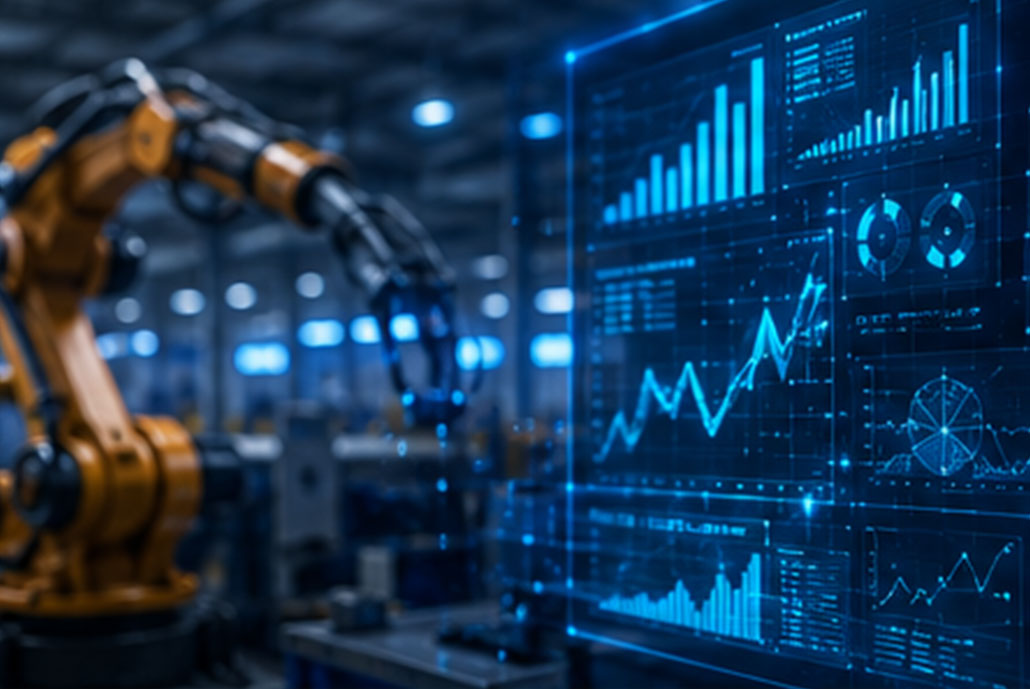
More than just a 3D model or a digital representation of a product, a virtual twin allows manufacturers to simulate, test, optimise and improve products, processes and operations in a connected virtual environment before committing resources in the real world.
For SMEs in the UK and Ireland, this is becoming a genuine competitive advantage.
Key Takeaways
- Virtual twins go beyond traditional digital twins by enabling full lifecycle simulation and optimisation
- SMEs can reduce prototyping costs and accelerate product development
- AI and connected manufacturing data are making virtual twins more accessible than ever
- Virtual twins support sustainability by reducing waste and improving operational efficiency
- Manufacturers adopting virtual twin technology now will gain a competitive advantage
What Is a Virtual Twin?
You’ve probably heard the term “digital twin” as it’s become increasingly common across manufacturing, engineering and Industry 4.0 discussions. However, many businesses still misunderstand what a virtual twin actually is and how it differs from traditional digital tools.
To understand the difference, it helps to look at the evolution of manufacturing technology.
- A CAD model shows what a product looks like.
- Simulation helps engineers understand how that product behaves under specific conditions.
- A digital twin connects real-world operational data back into a digital environment.
A virtual twin goes significantly further than a digital twin.
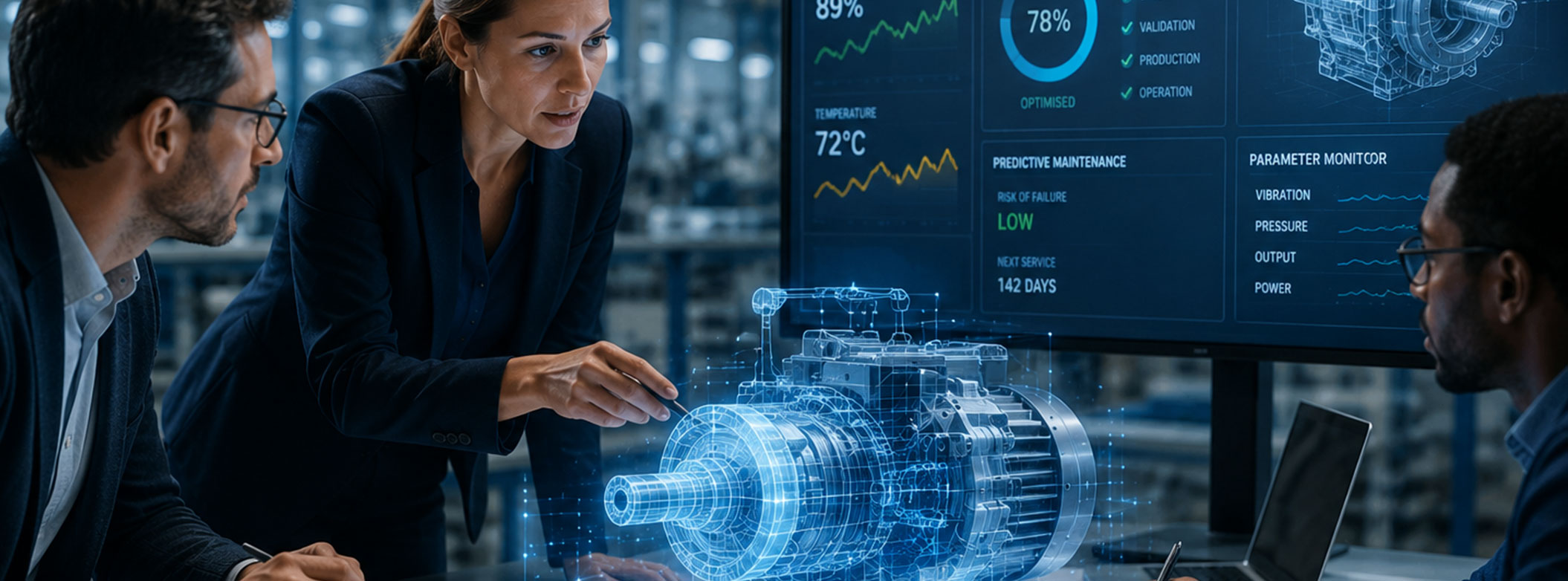
It creates a connected virtual representation of a product, process or even an entire manufacturing operation across its full lifecycle. This allows organisations to model behaviour, predict outcomes, optimise performance and test scenarios before making costly decisions in the physical world.
The key difference is intelligence and context.
A virtual twin isn’t simply a model. It becomes a living environment for innovation, collaboration and decision-making.
To learn more about Dassault Systèmes’ approach to virtual twins, visit: https://www.3ds.com/virtual-twin (opens in new tab).
You can also explore how connected platforms such as the 3DEXPERIENCE platform are helping manufacturers manage product development and collaboration more effectively.
Why Virtual Twins Matter More for SMEs
There is a common misconception that virtual twin technology is only relevant for aerospace giants, automotive manufacturers or multinational corporations. In reality, SMEs often stand to gain even more. Larger organisations can sometimes absorb inefficiencies, delays and expensive prototyping cycles. SMEs typically can’t.
Every design iteration, manufacturing delay and material cost matters. This is precisely why virtual twins are becoming increasingly valuable for smaller manufacturers.
Faster Product Development
Traditional development cycles often involve multiple rounds of physical prototyping, testing and redesign.
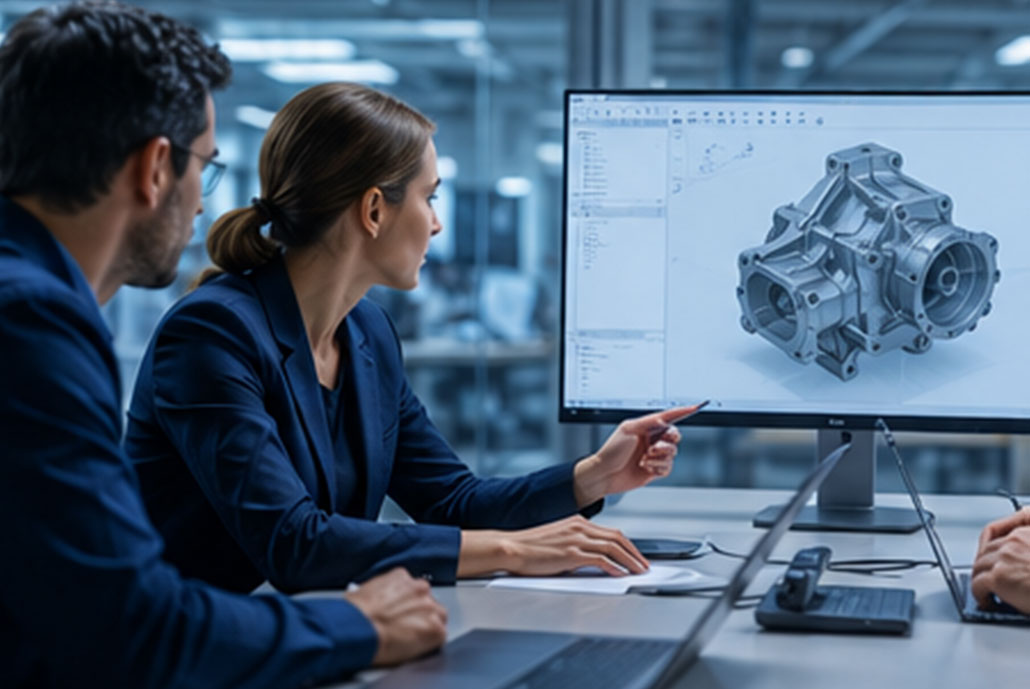
Virtual twins allow businesses to validate concepts digitally before physical production begins. Engineers can test performance, identify weaknesses and optimise designs far earlier in the process.
That means:
-
shorter development cycles
-
fewer costly revisions
-
faster time to market
-
improved product confidence
For SMEs operating in competitive markets, speed can be the difference between winning and losing business.
Manufacturers already using advanced virtual testing tools such as SOLIDWORKS Simulation are seeing how virtual validation can significantly reduce engineering risk before products reach production.
Reduced Prototyping Costs
Physical prototyping remains essential in many industries, but excessive prototyping is expensive. Material costs, machining time, labour and delays all add up quickly.
Virtual twin environments allow manufacturers to explore multiple scenarios digitally before committing to physical production.
This helps reduce:
-
wasted materials
-
failed designs
-
unnecessary tooling changes
-
manufacturing risk
For many SMEs, even modest reductions in prototyping costs can have a major impact on profitability.
According to McKinsey, digital twin technologies can help reduce development costs and improve operational efficiency across manufacturing environments.
Better Collaboration Across Teams
Disconnected systems remain a challenge for many manufacturers.
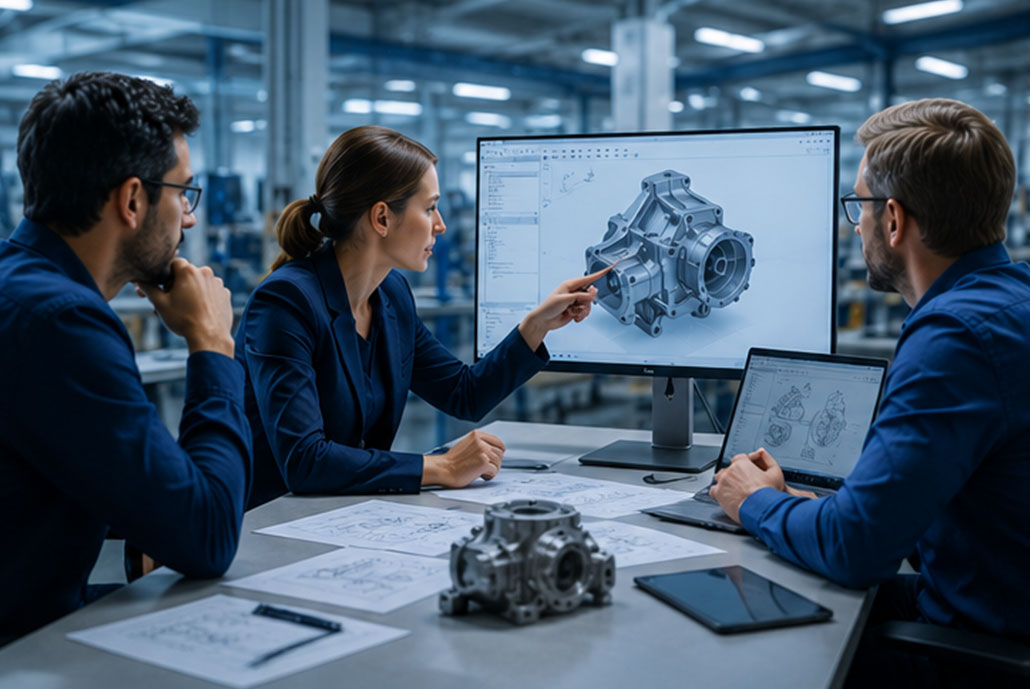
Engineering, production, procurement and operations teams often work from different data sources with limited visibility between departments. Virtual twin platforms create a more connected approach where teams can collaborate around a shared source of information.
This improves:
-
communication
-
traceability
-
design accuracy
-
project visibility
-
change management
In practice, it helps businesses make decisions faster and with greater confidence.
This is one of the key reasons businesses are increasingly adopting tried and tested PLM and PDM solutions as part of a broader digital transformation strategy.
Real-World Applications of Virtual Twins for UK Manufacturers
One of the reasons virtual twins are gaining momentum is their flexibility.
They are no longer limited to advanced research facilities or enterprise-scale operations. SMEs across multiple sectors can now apply virtual twin technology to solve practical manufacturing challenges.
Machine Builders and Industrial Equipment Manufacturers
Machine builders can use virtual twins to simulate equipment performance before production begins.
This allows teams to:
-
test assembly sequences
-
validate machine movement
-
optimise maintenance access
-
improve safety
-
predict performance issues
Rather than discovering problems during commissioning, manufacturers can identify and resolve issues earlier in the development process.
Sheet Metal and Fabrication Companies
Manufacturers working with sheet metal can use virtual twins to improve production efficiency and reduce waste.
Applications include:
-
material optimisation
-
production flow simulation
-
manufacturability validation
-
tooling analysis
-
throughput improvement
This can help businesses reduce scrap, improve consistency and increase operational efficiency.
Electronics and High-Tech Manufacturing
Electronics manufacturers face growing pressure around product reliability, thermal performance and production scalability.
Virtual twins can support:
-
thermal simulation
-
airflow analysis
-
production line balancing
-
assembly optimisation
-
supply chain scenario planning
These insights help businesses reduce risk before products reach production.
Factory Layout and Production Planning
Virtual twins are increasingly being used to model entire manufacturing environments.
This allows businesses to simulate:
-
production workflows
-
operator movement
-
material handling
-
bottlenecks
-
equipment utilisation
Instead of reacting to operational issues after implementation, manufacturers can optimise layouts and processes virtually beforehand.
Virtual Twins and Sustainability
Sustainability is no longer a secondary consideration for forward-thinking manufacturers. Customers, regulators and supply chains are increasingly demanding more sustainable products and operations.
For SMEs, balancing sustainability goals with commercial pressures can be difficult. Virtual twins can help bridge that gap.

Reducing Physical Waste
By validating designs digitally before production, manufacturers can significantly reduce:
-
material waste
-
failed prototypes
-
excessive testing
-
production scrap
This not only supports sustainability objectives but also improves profitability.
Improving Energy Efficiency
Virtual environments allow businesses to model operational performance and identify opportunities to reduce energy consumption.
Manufacturers can simulate:
-
machine efficiency
-
production scheduling
-
facility layouts
-
process optimisation
This helps organisations make smarter operational decisions while reducing environmental impact.
Supporting Circular Manufacturing
Virtual twins can also improve visibility across the product lifecycle.
This makes it easier to:
-
track product performance
-
support maintenance strategies
-
extend product lifespan
-
improve recyclability
-
reduce lifecycle waste
The World Economic Forum has highlighted digital twins as an important technology for advancing more sustainable industrial operations.
You can find out more about product lifecycle management in our guide to improving efficiency with PLM software.
Why AI Is Accelerating the Rise of Virtual Twins
Artificial intelligence is adding another layer of capability to virtual twin technology.
AI-driven analytics can help manufacturers identify patterns, predict outcomes and optimise processes faster than traditional analysis methods alone.
Combined with virtual twins, AI can support:
-
predictive maintenance
-
production forecasting
-
automated optimisation
-
scenario modelling
-
intelligent simulation
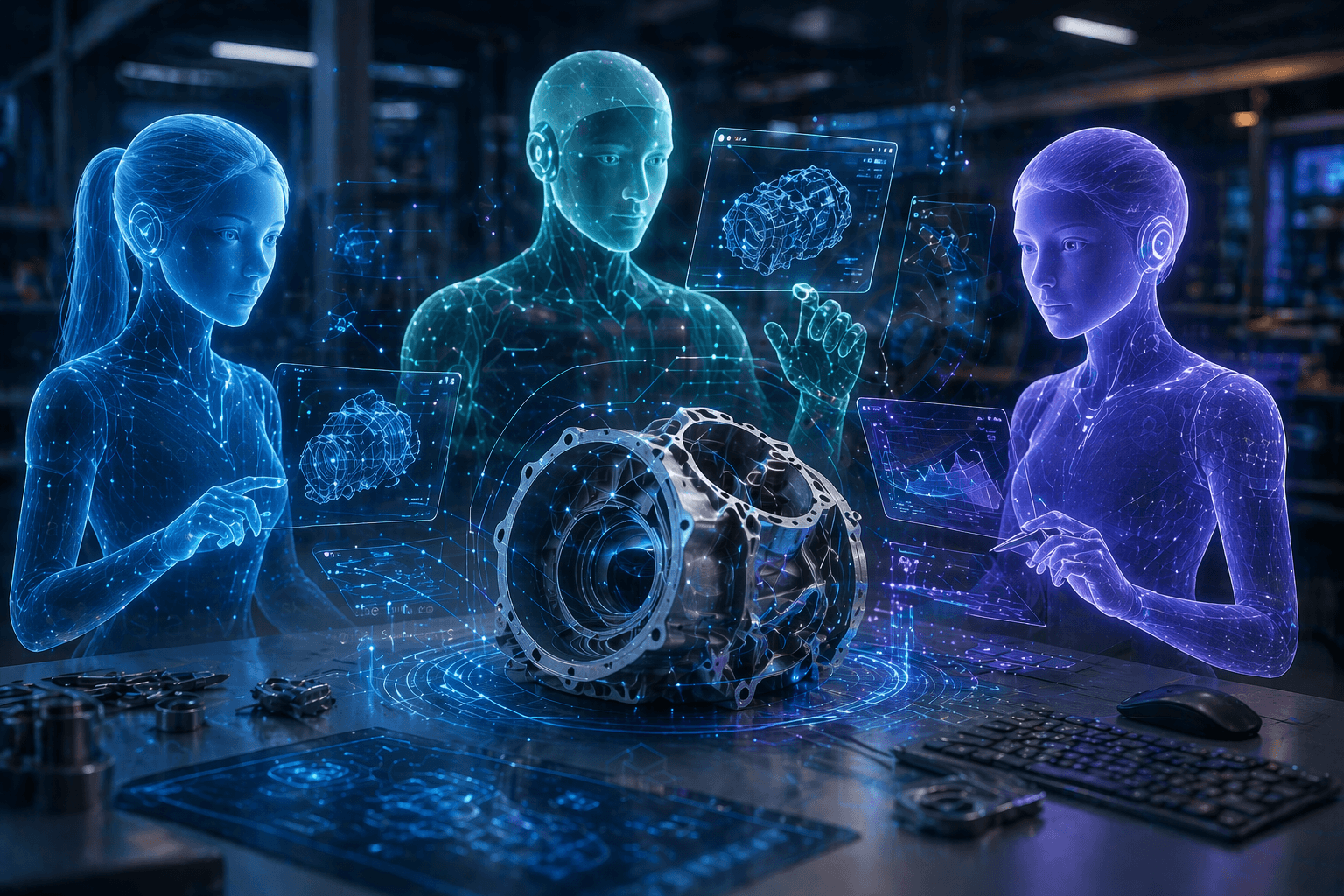
Instead of simply reacting to issues, manufacturers can begin anticipating them before they occur.
This shift towards predictive manufacturing is likely to become one of the defining trends of the next decade.
Manufacturers exploring AI-driven engineering and operational improvements are increasingly combining simulation, automation and connected data platforms to create more intelligent workflows.
You can explore more manufacturing insights and digital transformation trends in the Visiativ News & Resources hub.
The Biggest Myth About Virtual Twins
One of the biggest barriers to adoption is the belief that virtual twins are too complex or expensive for SMEs.
Historically, that may have been true. Today, cloud-based platforms and scalable digital technologies are making advanced manufacturing tools far more accessible. Manufacturers don’t need to transform their entire operation overnight – modern solutions allow businesses to start small and expand over time.
Many organisations begin by focusing on a single area such as:
-
product development
-
simulation
-
factory planning
-
collaboration
-
lifecycle management
From there, they gradually build towards a more connected digital ecosystem.
This phased approach makes virtual twin adoption far more achievable for SMEs than many businesses realise.
According to Deloitte, manufacturers embracing digital transformation technologies are increasingly using digital twins to improve resilience, agility and operational visibility.
The Often-Overlooked Challenge of Virtual Twin Adoption
While virtual twins offer significant advantages, successful implementation depends on more than technology alone.
Many manufacturers still rely on disconnected systems, inconsistent engineering data and legacy processes that have evolved over many years. If product data, material specifications or operational workflows are inaccurate or poorly managed, virtual environments will inevitably produce unreliable outputs.
In practice, the quality of a virtual twin depends heavily on the quality of the data behind it.
There is also a significant human element to digital transformation.
For many engineering and production teams, shifting from traditional physical validation processes towards simulation-driven decision-making requires a major cultural change. Building trust in connected digital workflows often takes time, particularly in organisations where established processes have been used successfully for decades.
This is why successful virtual twin adoption is typically not just a technology project, but a broader operational and organisational transformation.
Manufacturers that combine the right digital tools with strong data management, cross-team collaboration and clear implementation strategies are often best positioned to realise the full value of virtual twin technologies.
For many organisations, this process also involves reviewing existing operational workflows, improving data management practices and helping teams adapt to more connected digital ways of working. Support with training, implementation planning and cross-department collaboration can often play an important role in ensuring virtual twin initiatives deliver long-term business value.
How UK Manufacturers Can Get Started
The most successful digital transformation projects rarely begin with technology alone. They begin with a business challenge.
Manufacturers considering virtual twin adoption should start by identifying areas where inefficiencies, delays or operational risks are having the greatest impact.
That could include:
-
excessive prototyping costs
-
product quality issues
-
disconnected engineering data
-
production bottlenecks
-
sustainability targets
-
collaboration challenges
From there, businesses can begin introducing digital tools that support measurable improvements.
A practical roadmap for manufacturing SMEs:
1. Identify a High-Value Opportunity
Focus on a specific business challenge with measurable impact.
2. Connect Data and Processes
Break down silos between departments and improve visibility.
3. Introduce Simulation and Virtual Validation
Test and optimise digitally before physical implementation.
4. Expand Collaboration Across the Business
Enable teams to work from shared information and connected workflows.
5. Build Towards a Full Virtual Twin Strategy
Develop a more intelligent, connected and predictive manufacturing environment over time.
Businesses looking to begin their digital transformation journey can explore Visiativ’s consultancy and support services to better understand where virtual twin technologies can deliver measurable value.
“Competitive advantage is no longer defined purely by machinery, production capacity or labour costs. Increasingly, it is being shaped by how effectively businesses use data, simulation and connected digital technologies to make faster, smarter decisions.”
The Future of Manufacturing Is Virtual
Manufacturing is entering a new era. Competitive advantage is no longer defined purely by machinery, production capacity or labour costs. Increasingly, it’s being shaped by how effectively businesses use data, simulation and connected digital technologies to make faster, smarter decisions.
Virtual twins are becoming a key part of that transformation.
For SMEs across the UK, the opportunity is significant. Businesses that embrace virtual twin technology now will be better positioned to:
-
innovate faster
-
reduce operational risk
-
improve sustainability
-
increase efficiency
-
respond more quickly to market demands
Those that delay may find themselves struggling to compete in an increasingly digital manufacturing landscape.
For manufacturers looking to remain competitive in an increasingly digital industry, virtual twins are rapidly moving from innovation advantage to business necessity.
Time to Explore What a Virtual Twin Could Look Like for Your Business?
As manufacturing becomes increasingly connected, predictive and data-driven, virtual twins are likely to become a core part of how products, factories and supply chains are designed and optimised.
Whether you’re developing products, optimising manufacturing workflows or looking to reduce costly physical testing, virtual twin technology can help your business make faster, smarter decisions with greater confidence.
At Visiativ UK & Ireland, we help manufacturers explore practical digital transformation strategies that deliver measurable business value.