
The Benefits of Utilising Project Management Tools in a PLM Environment
27 November 2025
In a previous article we gave a broad overview of the Product Lifecycle Management (PLM) process. This article explores the challenges engineering businesses face in project management and explains how they can achieve efficient R&D project management with PLM by incorporating project planning tools into the same system that manages product data.
Contents:
1) Why is Project Management Important in Engineering?
2) Key Project Management Challenges
3) Potential Solutions for Project Management in PLM
4) Benefits of Project Management in PLM Solutions
5) Efficient Project Management Features with a PLM System
6) How Can Visiativ Help with PLM
Why is Project Management Important in Engineering?
All engineering businesses have a project management function, and its efficiency depends on several key factors. These factors include how efficiently teams carry out project management tasks, whether they automate or complete them manually, and how effectively they allocate and manage resources. Efficiency is also influenced by how resources are consumed, as measured through timesheets and other tracking tools, and by the ability to monitor progress towards goals. Clear and timely report creation, along with effective communication and visibility of plans, resource availability, and project status, all play vital roles. Finally, maintaining control of plans with a single, consistent version of the truth ensures accuracy and alignment across the organisation.
Key Project Management Challenges
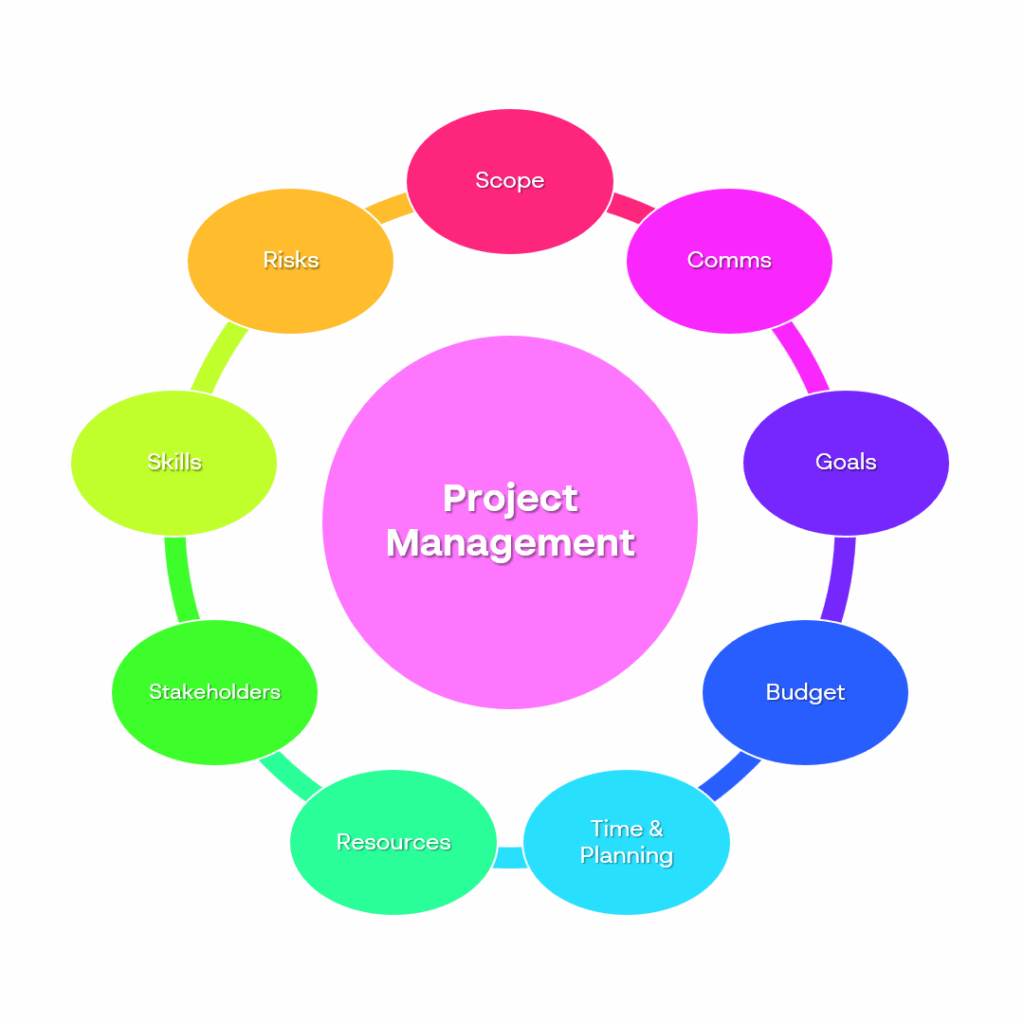
- Scope Creep: Changes in project scope without formal approval can lead to confusion and increased costs.
- Poor Communication: Lack of clear communication can cause misunderstandings and delays among team members.
- Unclear Goals: Projects may fail if objectives are not well-defined and measurable.
- Budget Overruns: Inaccurate budgeting can lead to financial issues and stakeholder dissatisfaction.
- Time Management: Unrealistic deadlines can result in projects not being completed on time.
- Resource Allocation: Inefficient use of resources can hinder project progress and success.
- Stakeholder Engagement: Low involvement from stakeholders can affect project direction and support.
- Team Skill Gaps: Insufficient skills among team members can impede project execution.
- Risk Management: Failure to identify and mitigate risks can lead to project failures.
Potential Solutions for Project Management in PLM
A PLM system can provide a project planning function integrated within the tool users are using for their day-to-day work.
Project Management Capabilities in PLM:
- Task Management: Control and manage tasks efficiently, ensuring that all project activities are tracked.
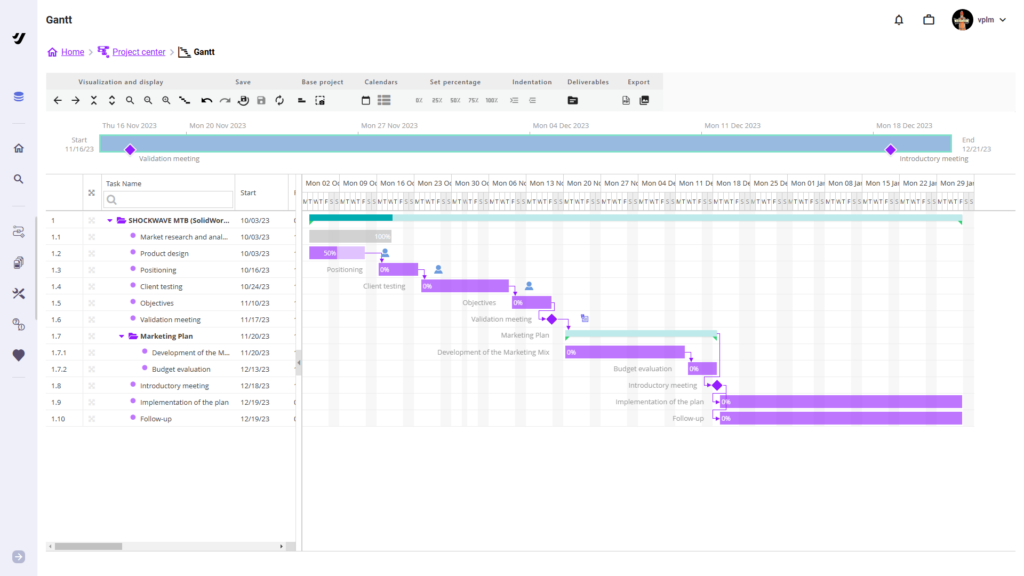
- Gantt Charts: Visualise project data and manage tasks effectively.
- Project Stages: Select multiple stages and view associated resources, tasks and deliverables for better oversight.
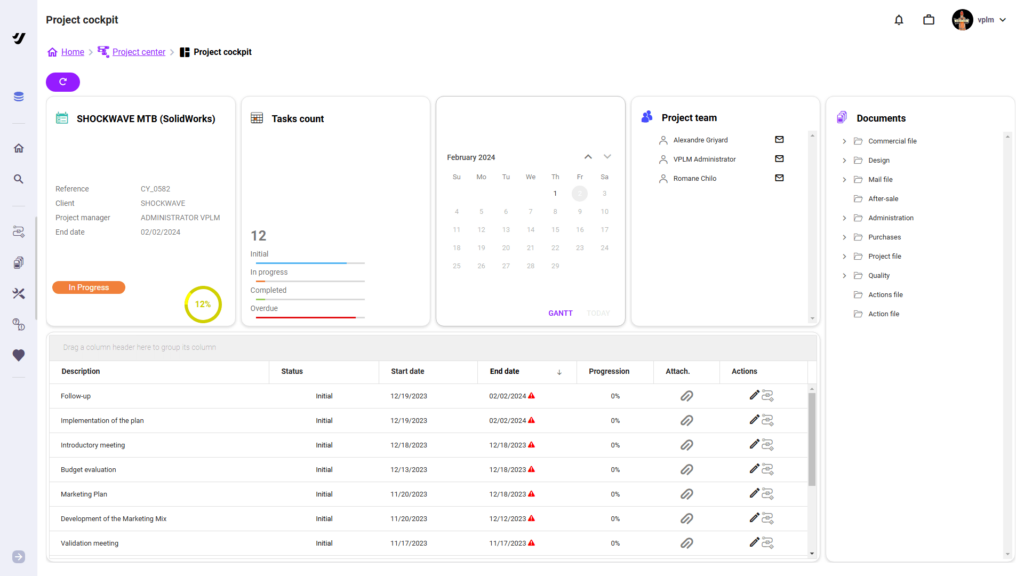
- Dashboards and Reports: Utilise interactive dashboards to visualise project progress and generate reports automatically.
- Capacity Planning: Access a dashboard to plan and allocate resources effectively throughout the project lifecycle.
- Process Management: Manage processes with options to create new records from existing ones, ensuring consistency.
- Notifications: Set up future date notifications for process updates, keeping team members informed.
- Centralised Data Management: PLM systems offer a single source of truth for all product-related data, reducing confusion and ensuring all team members access the same information.
- Improved Collaboration: By integrating cross-functional teams, PLM enhances communication among engineering, manufacturing and marketing, leading to better teamwork and faster decision-making.
- Streamlined Workflows: Automation of routine tasks and complex workflows minimises manual effort, allowing teams to focus on critical project aspects.
- Enhanced Traceability: PLM systems track product history and changes, ensuring compliance and facilitating easier audits and reporting.
- Real-Time Insights: PLM provides analytics that support informed decision-making, helping project managers respond quickly to changes and challenges.
- Risk Management: By identifying potential issues early in the product lifecycle, PLM systems help mitigate risks associated with project delays and quality failures.

Benefits of Project Management in PLM Solutions
Solving these issues tackles:
Scope Creep
To avoid scope creep, clearly define project requirements and goals from the outset. Make sure teams apply revision control to all documents, review and approve them, and link them properly to the project so everyone can easily locate and view them. Document the project scope, objectives, deliverables and timeline, and link the Gantt chart to the project for easy reference. Implement a formal change management process for any scope alterations using workflows and revision control to maintain consistency. Regularly communicate with stakeholders about project progress through notifications, dashboards, and other communication tools to ensure visibility and alignment.
Lack of Communication
To address communication issues, use collaborative tools and project management software to keep everyone updated and maintain transparency. Set up notifications, dashboards, and easily accessible project data to ensure information is visible to all. Provide closed-loop feedback to team members using workflows, notifications, and clear status updates to ensure nothing is missed.
Unclear Goals and Objectives
To prevent unclear goals, set SMART (Specific, Measurable, Achievable, Relevant, Time-bound) objectives. Link Gantt chart goals to resource schedules, timesheets and tasks to maintain clarity and alignment. Ensure all stakeholders are aligned with project plans using task notifications and increased project visibility. Break the project into manageable tasks, assign responsibilities clearly and create and assign tasks within the same system that users already work in daily.
Poor Budget Management
To manage budgets effectively, plan ahead with realistic estimates and workflows that provide access to user schedules and task durations. Monitor expenses regularly using timesheets and by recording other costs within the same system to prevent overruns and maintain budget control.
Team Workload Mismanagement
To avoid workload mismanagement, assess team capacity regularly and distribute tasks evenly. Use project management tools to track workload, monitor progress and ensure resources are used efficiently.
Impractical Deadlines
To prevent unrealistic timelines, set deadlines based on project complexity and team capacity. Involve the team in discussions to confirm feasibility and secure commitment to achievable delivery dates.
Efficient Project Management Features with a PLM System
As we’ve already described, a PLM system will support project management by providing single source of truth for all product-related data, enhancing visibility of project data, reducing confusion and ensuring all team members have access to the same information. Cross-functional integration enhances communication and collaboration, and automation of routine tasks and processes helps to reduce manual effort, increasing overall project efficiency.
What specific functionality and features should we look for to support Project Management?
- Support a project centric approach to all work:
-
- Be able to easily see the status of all items related to a project
- Allocate user permissions based on project
- Access all project deliverables from a central point
- Be able to easily review key meta data (e.g., certifications) for all items related to a project
-
- Integrate planning (Gantt charts etc.) with task allocation, select multiple stages and view associated resources, tasks and deliverables.
- Capacity Planning – Access a dashboard to plan and allocate resources effectively throughout the project lifecycle.
- As the project progresses, the system automatically updates projects, deliverables and statuses. When a task is completed, a deliverable added or a workflow state changes, the project updates automatically to reflect the current status.
- Email notification of task allocation and overdue tasks.
- Control and manage tasks efficiently, ensuring that all project activities are tracked.
- Integrate collection of timesheet data and task progress into reporting functions, which could include dashboards. PLM provides analytics that support informed decision-making, helping project managers respond quickly to changes and challenges.
- Include budget control tools (calculating resource costs from timesheets and also other expenditure (materials, outsourcing etc).
View & Update Existing Projects with Visiativ PLM
Creating & Edit Projects with Visiativ PLM
Manage Project Deliverables with Visiativ PLM
Project Dashboards & Reports with Visiativ PLM
How Can Visiativ Help with PLM?
Hopefully you’ve found this guide helpful, and you may have identified with some of the issues and solutions described in this article. Take the next step and contact Visiativ UK about Visiativ PLM at the link at the bottom of this page or call 01223 200690, to take a deeper dive into the solutions we have available.
Further Reading:
- Product Lifecycle Management: Improve your R&D process efficiency with PLM
- How PLM can help Mechanical Designers
- Boost Efficiency With Electronic Document Management
- How PLM Can Help Manage Your Bills of Materials
|
|
About the author: This product guide was written by Product Lifecycle Management Consultant, Dave Harrowell. Dave has been implementing PLM and PDM systems since 1998. |
|||
|
|
View Dave Harrowell’s LinkedIn Profile here.
|
|||