Start-Up Spotlight: Gradely Engineering
08 January 2026
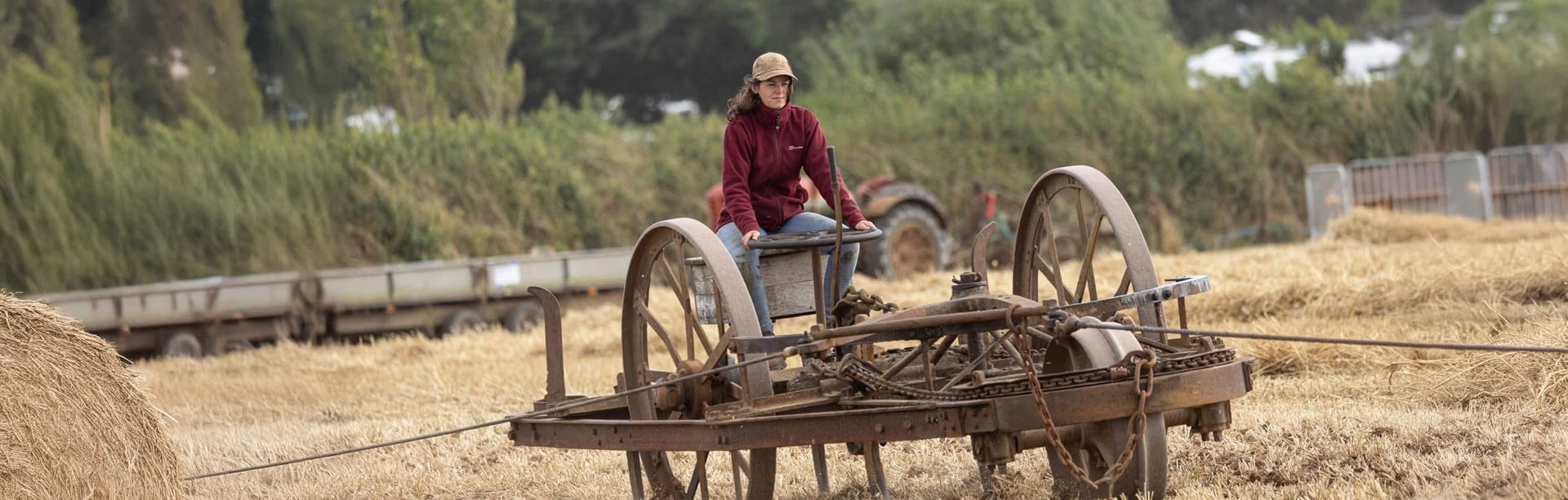
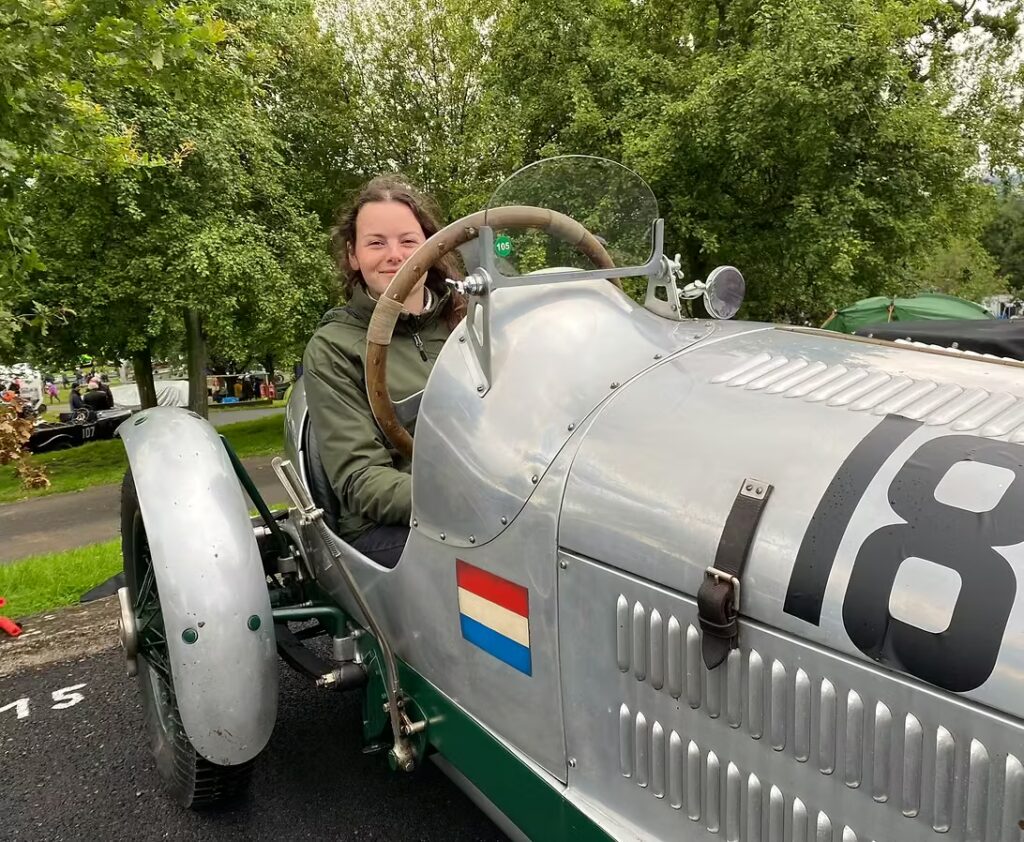
Gradely Engineering Ltd. was founded by Lilly Day, who has a passion for preserving England’s industrial heritage. It’s a small, specialist operation based in Pershore, Worcestershire, allowing for a highly personal and technically focused service. Much of Lilly’s pastimes revolve around steam engines – both road and rail – as well as vintage and veteran vehicles. Over time, she increasingly recognised that experienced craftsmen are retiring and taking specialist engineering skills with them, with too few pathways in place to pass those skills on to future generations.
Today, many owners of heritage machinery lack the technical ability or resources to repair or reproduce damaged or missing components. Gradely Engineering Ltd. bridges this gap by combining modern engineering technology with traditional mechanical understanding.
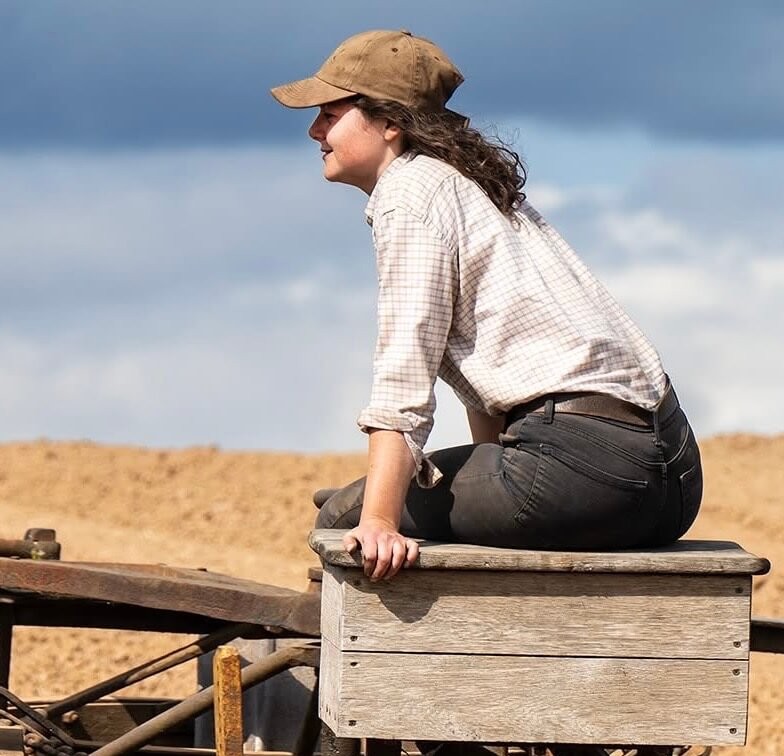
Drawing on her corporate experience in CAD development at a major automotive manufacturer, she uses 3D scanning and SOLIDWORKS to digitally reconstruct worn or damaged components, often restoring them to their original design intent. Clients are based across the UK and range from private collectors to heritage enthusiasts, all united by a shared commitment to preserving Britain’s engineering past.
The SOLIDWORKS for Start-Ups Scheme
Lilly: “I discovered the SOLIDWORKS Start-up Scheme through online research. In my primary role (Jaguar Land Rover), I work extensively with CATIA on the 3DEXPERIENCE platform, so I was already familiar with the Dassault Systèmes ecosystem. I wanted a solution that aligned closely with my existing skillset but without the excessive cost typically associated with high-end CAD software. When I came across the SOLIDWORKS Start-up Scheme, it immediately stood out as the ideal solution.
“The application process was straightforward and well supported. The team at Visiativ were extremely helpful and guided me through every step, ensuring everything was clear and efficient.
“After the 12-month trial period, I chose SOLIDWORKS Standard. While the additional packages offer excellent functionality, SOLIDWORKS Standard perfectly meets my current needs. The components I work on are almost always bespoke, so standard libraries are rarely applicable. Importantly, the flexibility to upgrade in the future make the decision easier if the business altered.
“In addition to my familiarity with the Dassault ecosystem, my 3D scanning and reverse engineering software integrates directly with SOLIDWORKS. This seamless integration allows me to move efficiently between scan data and CAD, significantly streamlining the reverse engineering workflow.”
Gradely Engineering’s SOLIDWORKS Process
Lilly: “The process begins with careful assessment and preparation of the physical component, followed by 3D scanning as well as manual measurements. The scan data is then cleaned and processed using specialist reverse engineering software to extract usable base geometry. From there, I transition directly into SOLIDWORKS, using this base geometry to rebuild the component accurately. I remove decades of wear and restore it to its intended original form.
“Once the design is complete, files are exported and sent to trusted manufacturing partners. To date, most components have been produced using 3D printing, though the workflow is fully compatible with CNC machining where required.
Three must-have SOLIDWORKS tools and features:
Parametric modelling: Enables precise control over geometry and allows designs to be easily adjusted when working with worn or imperfect reference parts.
Surface and solid modelling tools: Essential for reconstructing complex, organic shapes often found in heritage components.
Drawing and dimensioning tools: Provide clear, accurate manufacturing drawings, particularly important when working with imperial measurements and bespoke components.
About a project
Lilly: “One representative project was the recreation of a brake adjuster cap for a Vauxhall 20-60 from the 1920s. The original part was made from Bakelite, which becomes extremely brittle with age. Many originals are broken when owners attempt to over adjust the brakes when the brake shoe liners are completely worn. Replacements are not available.
“The brief was to recreate the brake adjuster cap from a good existing example. Producing a durable and accurate replacement that maintained the original appearance and functionality. As with many heritage components, all original measurements were in imperial units. Ensuring dimensional accuracy while working from aged parts was critical, particularly as the component interfaces directly with brake hardware.
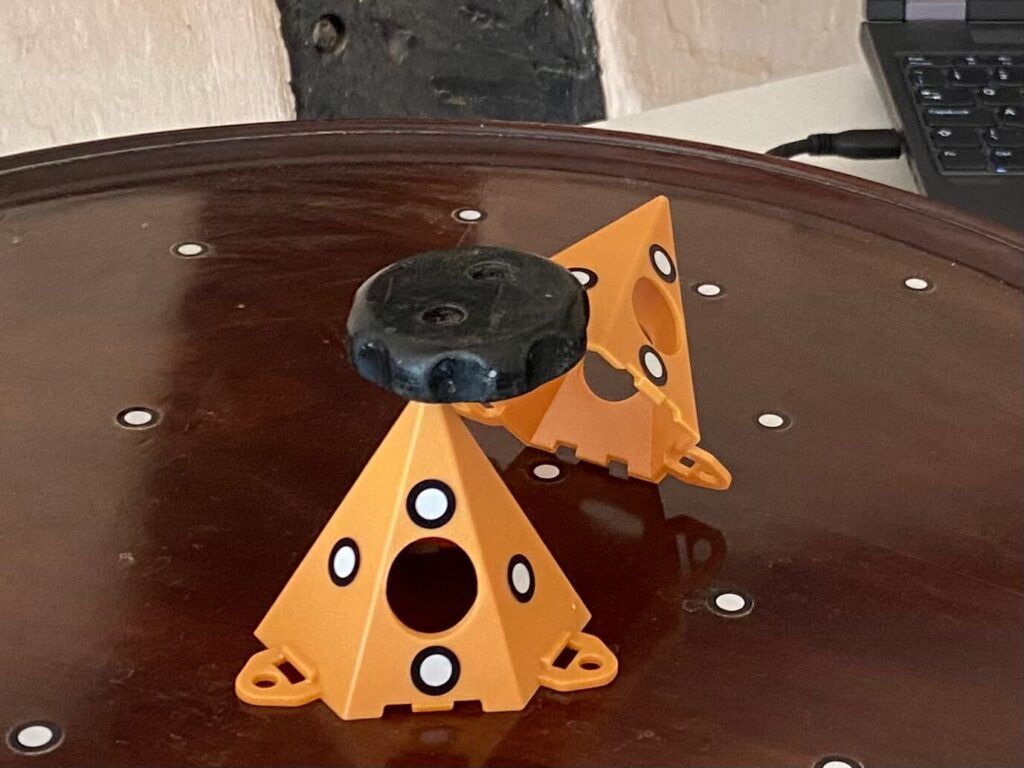
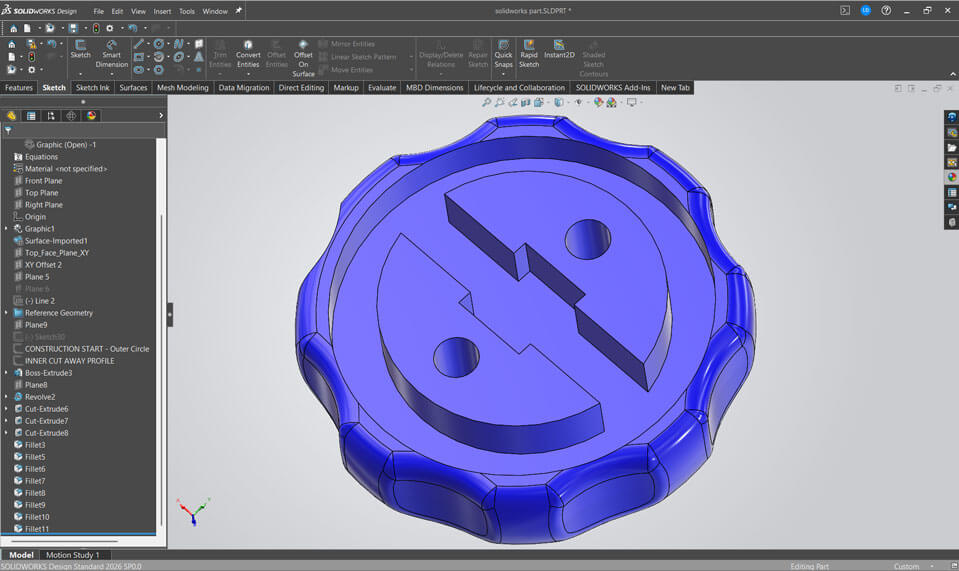
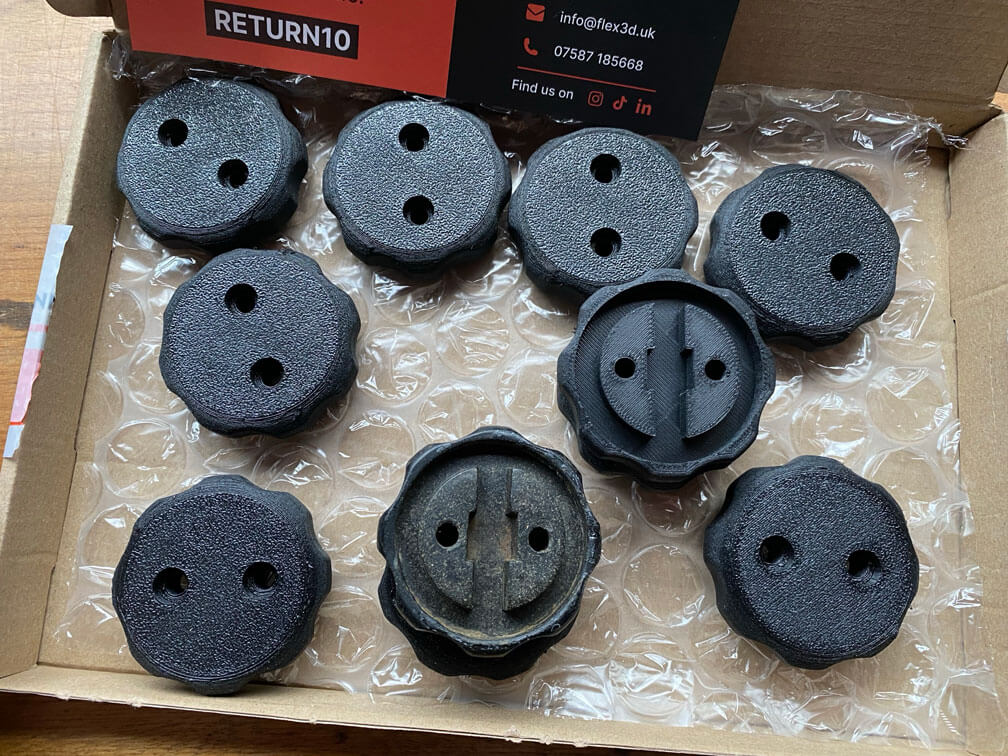
“SOLIDWORKS allowed me to easily switch the default units from MMGS (Millimetre, Gram, Second) to IPS (Inch, Pound, Second), ensuring all dimensions were correctly represented. This eliminated conversion errors and ensured the final drawings were suitable for manufacturing. The combination of parametric modelling and precise dimension control was key. Being able to rebuild the component accurately from scan data, while applying consistent imperial dimensions, ensured the final part met both functional and historical requirements.”
Working with Visiativ
Lilly: “Visiativ’s Technical Support has been excellent. On two separate occasions when SOLIDWORKS stopped functioning correctly, I contacted Visiativ support and within an hour of identifying the issue Visiativ had resolved it. In both cases, the cause was related to background settings following a Chrome update. The team has always communicated clearly and helpfully, particularly during the renewal process, where they explained the different options thoroughly and transparently.
“SOLIDWORKS is a comprehensive and capable CAD package supported by an extensive library of learning resources. Having used CATIA for eight years, there was an initial learning curve, but once familiar with the workflow, SOLIDWORKS proved intuitive and efficient. It offers professional-grade capability while remaining accessible.
“In the next 5-10 years, I see Gradely Engineering Ltd. becoming a one-stop solution for the recreation and resale of damaged or worn components from Britain’s industrial past. This includes running in-house 3D printing and CNC machining facilities, ensuring we engineer and manufacture the highest quality parts in Great Britain. SOLIDWORKS will remain central to this vision, underpinning design accuracy, scalability and innovation.”
Visit the Gradely Engineering website to learn more about Lilly and her work.